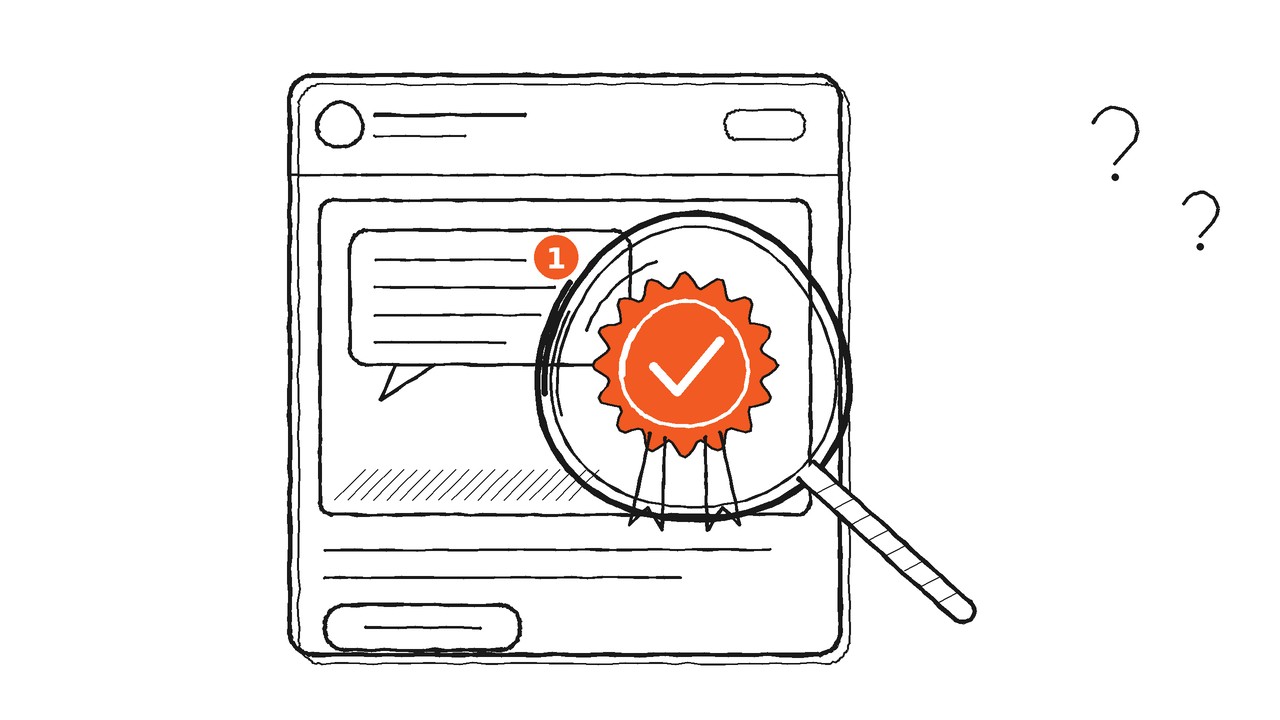
How to spot a GEO agency that overpromises
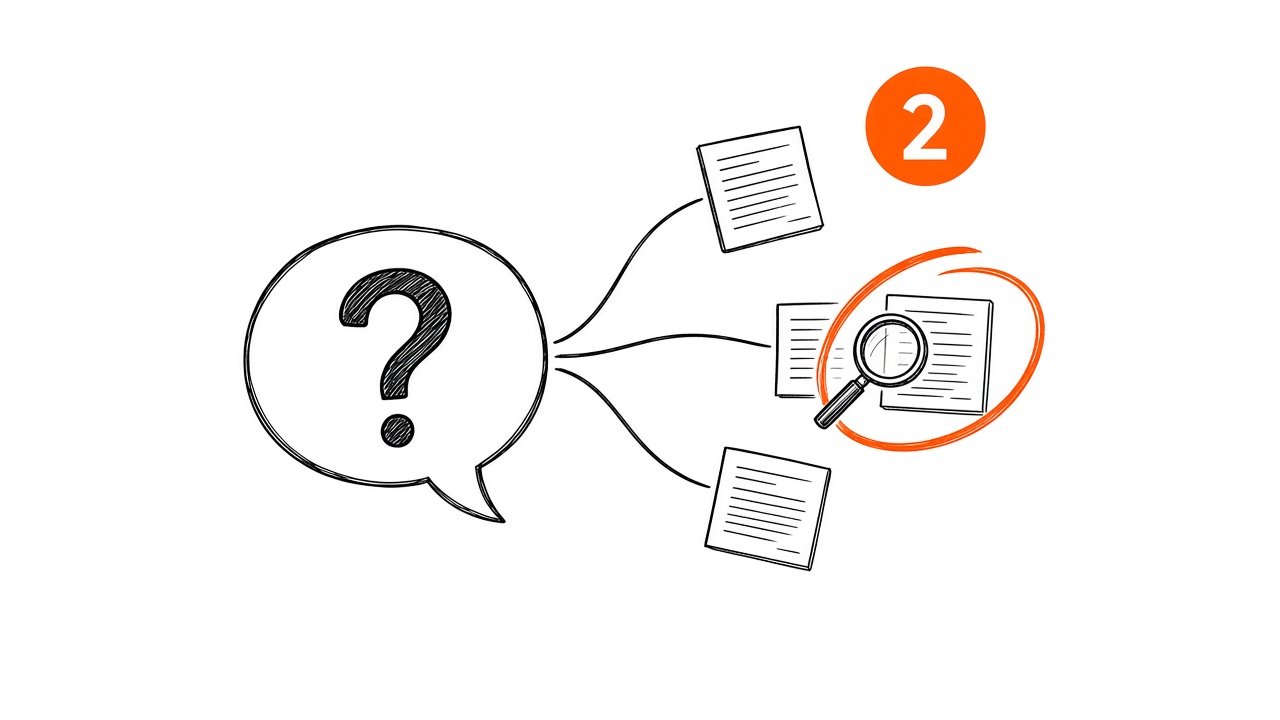
In this article (10 sections)
An ad says an agency can get AI chatbots to recommend your business. Even if your website went live last month. Should you believe it?
Be careful. Nobody outside the companies that build these AI tools decides what they say. A good agency can raise your chances and show you proof. A bad one sells a guarantee.
GEO (generative engine optimization) is the work of helping AI tools find, trust and mention your brand. It's new, budgets are moving into it, and the ads have followed. Below you'll find seven red flags, what an honest offer looks like and how to check any claim yourself. We don't name any agency. The patterns matter more than the names.
What made me write this?
Today I saw a Facebook ad from an agency promising that AI chatbots would recommend your brand. It was the first pitch like that I'd come across, and right away I wondered how that could even be possible, especially for a brand-new site, which is what they were promising. It made me doubt it a lot.
This post checks the most common promises against three things: what Google itself says, what our own test data shows and how AI answers actually behave.
Which promises should make you walk away?
1. "We guarantee ChatGPT will name your brand"
An AI answer is written fresh each time someone asks. The same question can name different brands an hour later. Each AI tool also picks its sources in its own way, as our guide on how ChatGPT chooses its sources explains.
Outside research shows the same thing. In a SparkToro and Gumshoe study published in January 2026, people ran 12 prompts through ChatGPT, Claude and Google's AI 2,961 times. ChatGPT and Google's AI gave the same list of brands in fewer than 1 in 100 runs.
An agency can make your brand easier to find and quote: clear pages, mentions on sites the AI tools trust, correct facts about you. That's real work.
A guaranteed mention is a promise about someone else's product.
2. Fast results for a brand-new website
AI tools lean on what the web already says about you. Think reviews, comparison articles, news stories and directories. A site that launched last month has almost none of that.
A new site can get there with time. Even Google, which runs AI Overviews, says that meeting all its rules still doesn't guarantee a page will be shown. So if someone promises quick AI recommendations from zero, ask what exactly they will do, and whether it's allowed.
3. "Only one brand per keyword"
Some offers sell exclusivity, as if a question could belong to one client. Anyone can type any question into ChatGPT, and the AI doesn't know who signed a contract. An exclusive deal shows the offer isn't built around what real buyers ask.
4. Getting your brand into Google's search suggestions
Search suggestions are the phrases Google shows as you type. Google calls them autocomplete predictions and says they reflect real searches people have made.
The usual way to push a brand into them is to send fake, automated searches. Google's spam policies say that sending automated queries to Google breaks its rules (page updated 28 August 2026). Google also says its teams remove predictions that break its policies.
Can the agency show its method, price and results?
5. No method
"Our own secret system" and "book a demo to learn more" don't explain anything. An honest provider can say in plain words what they will change: which pages on your site, which mentions on other sites, which technical fixes.
If they won't say what they do, you can't judge if it's safe or worth the money.
6. No price anywhere
Hidden pricing isn't always bad. Custom work is custom. But hidden pricing plus big promises often means the price depends on how much you seem willing to pay. The software side of this market is far more open, as the next section shows.
7. No tracking proof
If an agency claims results, it should show them. Which questions did they check? In which AI tools? How often were you mentioned before and after, and which pages were quoted?
A screenshot of one lucky answer proves nothing, because answers change between runs. Our own test shows how much.
On 31 October 2026 we asked 10 buyer questions 4 times each through the OpenAI API with web search. That is the developer version of the model behind ChatGPT, not the ChatGPT app. On average, two runs of the same question shared 57% of the brands they named.
The web pages they quoted overlapped by just 4%.
The full method and raw answers are in our guide on checking if AI mentions your brand.
What does AI visibility tracking cost on its own?
A tracker is software that asks AI tools the same questions on a schedule and records whether your brand shows up. It's the proof part of GEO, and most trackers show their prices openly.
| What we counted (as of 2 November 2026) | Number |
|---|---|
| AI visibility trackers in our directory | 34 |
| Trackers with a public self-serve price in US dollars | 24 |
| Median entry plan of those, per month | $98.50 |
| Of those, entry plan under $100 a month | 12 |
| Trackers with a free plan or free check | 7 |
The median is the middle price: half the trackers cost less to start, half cost more. Each price was checked on the vendor's own pricing page, and our pricing table shows every plan.

An agency does more than tracking, so its fee can be higher. But if the tools that measure results publish their prices, an agency can at least tell you what it costs and what's included. See the GEO tool pricing index for more numbers.
What does an honest GEO offer look like?
- A clear method you could explain to someone else in two sentences.
- A price up front, with what's included.
- A baseline before any work starts, meaning a fixed list of questions, checked across AI tools, with how often you're mentioned today.
- Regular reports from a tracker instead of hand-picked screenshots.
- Goals tied to your business, like sign-ups, booked calls or sales.
What would make me trust an agency? Verified proof.
What is a fair price for GEO work?
There's no single number. It depends on what the work brings back.
It's hard to say an exact number. I'd say it's only worth it when they can track the mentions, the traffic that comes from them, and the next goals you've set: an email opt-in, a booked call or a sale. Depending on the stats is the only way to tell whether it's a waste or not.
For a rough idea of what tracking alone costs, our cost calculator estimates it from how many questions and AI tools you want to follow.
Six questions to ask any GEO agency
- What exactly will you change, on my site and off it?
- Which questions and AI tools will you track, and can I see the baseline first?
- Which tracker do you use, and can I have access to it?
- How do you connect AI mentions to traffic and sales?
- What happens if mentions don't move in three months?
- Does anything you do break Google's or the AI platforms' rules?
A good agency answers all six without hesitating.
How can you check the claims yourself?
You don't need to take anyone's word for it. Start free. Write 10 to 20 questions your buyers ask, then run them in ChatGPT with search on, in Perplexity and in Google. Note whether you're mentioned and which pages are quoted. Our guide on checking if AI mentions your brand walks you through it, or you can start with our free AI visibility check.
For ongoing proof, use a tracker that asks the same questions every day. Compare options in our tools directory. Our methodology page shows how to test whether a tracker's numbers hold up before you trust them.
If you'd rather do the work yourself, our guide on how to get your brand recommended by ChatGPT covers what actually helps.
FAQs
Can a GEO agency guarantee that ChatGPT recommends my business?
No. AI answers are written fresh each time and change between runs. An agency can improve your chances, but only the companies that build the AI tools decide what they say.
How fast can a brand-new website show up in AI answers?
Nobody can promise a date. AI tools lean on what the web already says about you, and a new site has little of that, so be careful with anyone who promises quick results.
How much does AI visibility tracking cost?
Of the 34 trackers we list, 24 publish a self-serve price in US dollars. The median entry plan is $98.50 a month (as of 2 November 2026), and 7 offer a free plan or free check.
Is it allowed to push my brand into Google's search suggestions?
The usual method sends fake, automated searches to Google. Google's spam policies say automated queries break its rules, and Google removes predictions that break its policies.
How do I know if a GEO agency is working?
Ask for a baseline before work starts and regular tracker reports after. Then judge the work by tracked mentions, the traffic they bring and your own goals, such as sign-ups, booked calls or sales.
The takeaway: ask for proof
Get a baseline, ask the six questions and judge any agency by tracked numbers and your own business goals. A guarantee is the clearest sign to walk away.
Don't fall for the hype. Ask for proof.
Sources
- Geocitely pricing data: AI visibility tracker entry prices (vendor pages checked 21 Oct to 2 Nov 2026)
- Geocitely test of the OpenAI API with web search (31 Oct 2026)
- Google Search Help: How Google autocomplete predictions work (checked 2 Nov 2026)
- Google Search Central: Spam policies for Google web search (updated 28 Aug 2026)
- SparkToro: AIs are highly inconsistent when recommending brands or products (Jan 2026)
- Google Search Central: AI features and your website (updated 10 Dec 2025)
All prices were checked on each vendor's official pricing page on the date shown. Prices change, so confirm before you buy.
See where your brand stands in AI answers
Run the free AI visibility check. It takes a minute and the result comes by email.
Run the free check →Keep reading
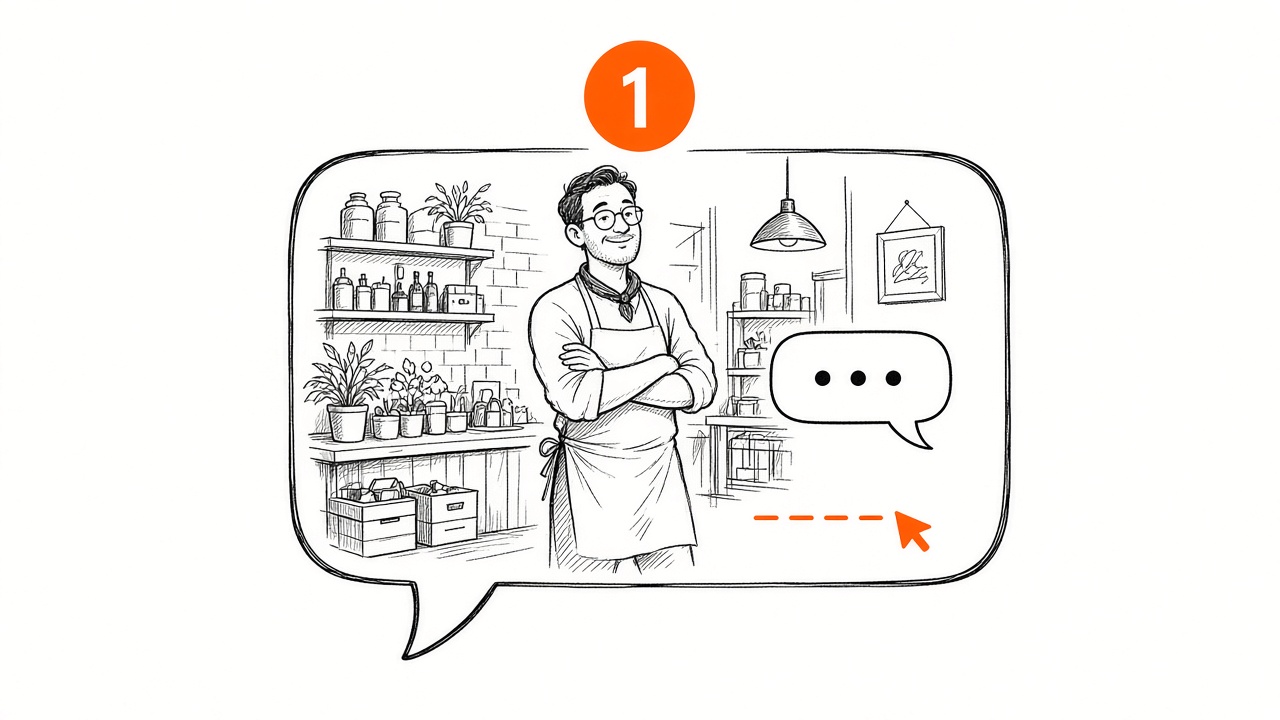
Get the free GEO tool pricing sheet + weekly AI visibility tips
Every GEO tool I track on one sheet, each price checked on the vendor's own page.
Plus practical AI visibility tips, new tools and price changes.
One email a week, no spam. Unsubscribe any time.
By subscribing you agree to our Privacy Policy.